
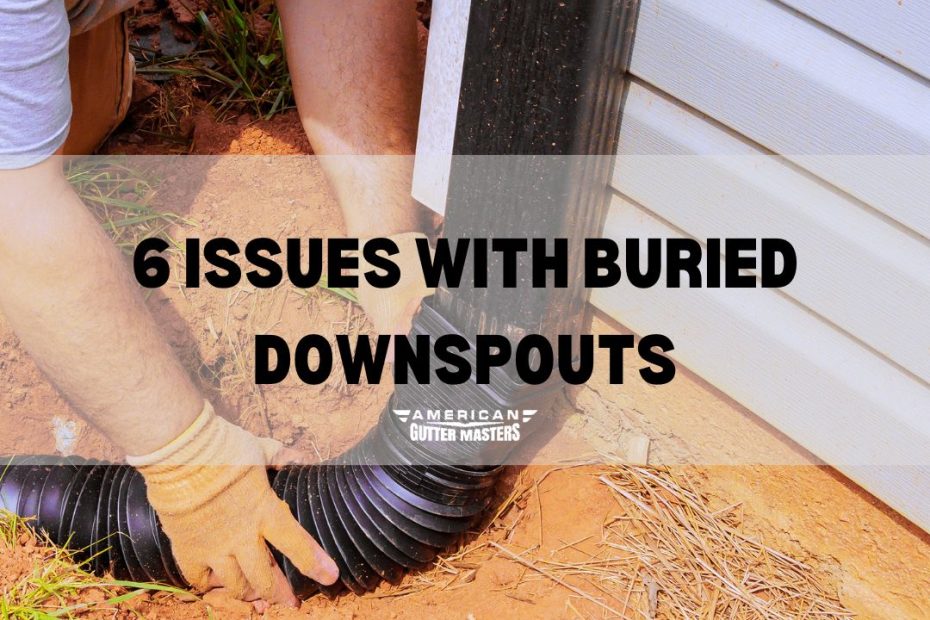
In the context of home maintenance, buried downspouts, while useful for aesthetic and space-saving reasons, can lead to significant issues if not properly managed. These issues include:
- Clogging risks due to debris accumulation, causing water backups and potential damage;
- Difficult maintenance, as their underground position makes regular checks and cleaning challenging;
- Water damage to foundations and basements due to blockages or leaks;
- Increased pest attraction, with standing water creating a breeding ground for mosquitoes and other pests;
- Pipe freezing in cold climates, potentially leading to burst pipes and extensive water damage; and
- Landscaping erosion from improper water discharge, affecting the home’s exterior aesthetics and safety.
Addressing these issues is vital for homeowners to maintain their property’s structural integrity and prevent costly repairs.
Table Of Contents:
Introduction to Buried Downspouts
Buried downspouts are integral components of a home’s drainage system, playing a crucial role in directing water away from the foundation. This section explores the functional significance of downspouts in home maintenance and the specific reasons homeowners opt for buried downspouts. Understanding these aspects is essential for effective home upkeep and addressing the unique challenges they present.
The Role of Downspouts in Home Maintenance
Downspouts serve as conduits to channel water from gutters away from a home’s foundation, crucial for preventing water damage. They are vital in maintaining the structural integrity of a home by mitigating risks like basement flooding, soil erosion, and foundation weakening. Properly functioning downspouts are key to preserving the home’s exterior and interior from water-related issues.
Why Choose Buried Downspouts?
Homeowners often choose buried downspouts for aesthetic appeal and space efficiency. They seamlessly integrate with landscaping, enhancing the property’s curb appeal while eliminating obstructions in outdoor areas. Additionally, buried downspouts can be more effective in directing water further away from the foundation, providing an added layer of protection against water damage.
Issue 1: Clogging Risks
One of the primary challenges with buried downspouts is their susceptibility to clogging. This section delves into the common causes of these blockages and offers practical advice for preventing and addressing clogs. Keeping downspouts clear is essential to maintain their effectiveness and protect the home from water-related complications.

Causes of Clogging in Buried Downspouts
Clogging in buried downspouts often results from debris accumulation, such as leaves, twigs, and sediment. Over time, this debris can build up and obstruct water flow, causing backups and potential overflow. Factors like the surrounding foliage, gutter guard presence, and weather conditions can influence the frequency and severity of these clogs.
Preventing and Addressing Clogs
To prevent clogs in buried downspouts, regular cleaning and inspection are crucial. Installing gutter guards can reduce debris accumulation, while periodic flushing of downspouts ensures clear pathways for water. Homeowners should also be vigilant after heavy storms or seasonal changes, as these are prime times for blockages to occur. Addressing clogs promptly can prevent extensive damage and costly repairs.
Issue 2: Challenges in Maintenance
Maintaining buried downspouts presents unique challenges compared to their above-ground counterparts. This section focuses on the difficulties involved in accessing these downspouts for regular maintenance, as well as providing actionable tips for routine upkeep. Proper maintenance is crucial to ensure the longevity and functionality of buried downspouts, safeguarding the home from potential issues.
Accessing Buried Downspouts for Maintenance
Access to buried downspouts for maintenance is more complex due to their subterranean nature. Typically, these downspouts are connected to a drainage system underground, which requires careful excavation in parts for inspection and cleaning. Homeowners should be aware of the downspout layout and may need professional help for thorough maintenance to prevent accidental damage.
Routine Maintenance Tips
Regular maintenance of buried downspouts includes clearing debris from the gutter system, inspecting for signs of clogging or damage, and ensuring clear water pathways. It’s advisable to conduct these checks especially after heavy storms or seasonal changes. Additionally, consider installing gutter guards and scheduling annual professional inspections to ensure optimal functionality.

Issue 3: Risk of Water Damage
Water damage is a significant risk associated with malfunctioning buried downspouts. This section explains how improper downspout function can lead to water damage and outlines measures homeowners can take to protect their property. Understanding these risks and preventive strategies is essential for maintaining a safe and healthy home environment.
How Water Damage Occurs
Water damage from buried downspouts typically occurs when blockages prevent water from flowing away from the house. This can lead to water overflow, seeping into the foundation, basement, or crawl spaces. Over time, this can cause structural damage, mold growth, and deterioration of the home’s foundation, necessitating costly repairs.
Protective Measures Against Water Damage
To protect against water damage, ensure that downspouts direct water at least 10 feet away from the foundation. Regularly clean and inspect downspouts to prevent blockages. Consider installing a dry well or a French drain system for better water management. Additionally, waterproofing the basement and checking the landscape grading can further mitigate water damage risks.
Issue 4: Attraction of Pests
The attraction of pests is a significant concern associated with buried downspouts. This section explains how malfunctioning downspouts can become breeding grounds for pests and outlines effective solutions for pest control. Addressing this issue is vital for maintaining a healthy living environment and ensuring the longevity of the downspout system.

Understanding the Pest Problem
Pests, including mosquitoes and rodents, are attracted to stagnant water, which can accumulate in clogged or inefficiently designed downspouts. This standing water presents an ideal environment for these pests to breed, potentially leading to infestations that can affect both the garden and home. Understanding the link between downspout issues and pest attraction is key to identifying and solving pest-related problems.
Solutions for Pest Control
Effective pest control involves ensuring proper downspout maintenance to prevent water stagnation. Regular cleaning, ensuring proper water flow, and fixing leaks are essential steps. Additionally, incorporating pest repellent measures, such as screens or natural deterrents, and seeking professional pest control advice can further help in managing this issue effectively.
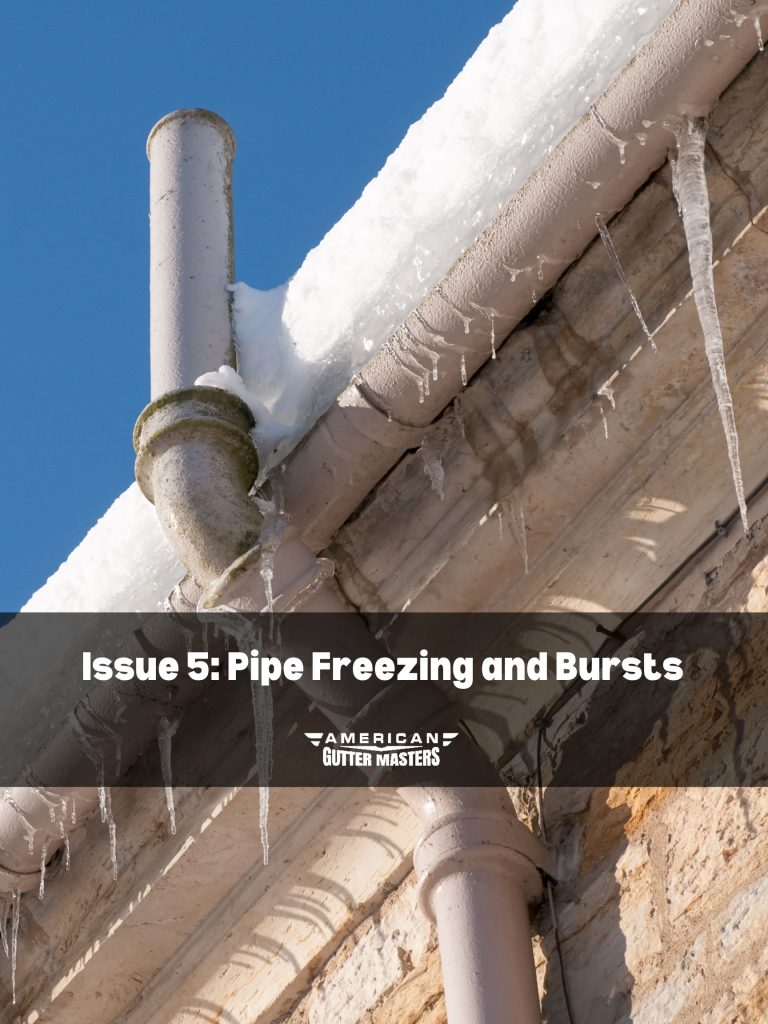
Issue 5: Pipe Freezing and Bursts
In colder climates, the risk of pipe freezing and subsequent bursting is a major concern for buried downspouts. This section discusses the challenges posed by freezing conditions and offers preventative strategies to mitigate the risk of pipe damage, ensuring the system’s efficiency and safety during winter months.
Freezing Issues in Cold Climates
Buried downspouts are susceptible to freezing when water inside them becomes ice, obstructing the flow. This can lead to increased pressure in the pipes, which may result in cracks or bursts. Understanding the conditions that lead to freezing and the potential damage it can cause is crucial for homeowners in colder regions.
Preventative Strategies for Pipe Freezing
To prevent downspout freezing, homeowners should ensure regular drainage system cleaning and consider insulating pipes in areas prone to low temperatures. Additionally, installing heating cables and ensuring proper slope for water drainage can significantly reduce the risk of freezing. It’s also advisable to conduct pre-winter inspections to identify and rectify any issues that could exacerbate freezing problems.
Issue 6: Landscaping Erosion
Landscaping erosion is a critical issue associated with improperly managed buried downspouts. This section addresses how erosion can impact property and outlines effective erosion control techniques. Understanding and addressing erosion is key to maintaining the aesthetic and structural integrity of the property’s landscape.
The Impact of Erosion on Your Property
Erosion caused by ineffective downspout drainage can lead to significant soil displacement, affecting the health of lawns and gardens. It can create uneven ground, pose risks to the foundation, and result in the loss of valuable nutrients and plants. This can not only diminish the beauty of a landscape but also potentially lead to structural damage to the property.
Erosion Control Techniques
Effective erosion control involves proper downspout placement, ensuring water is directed away from sensitive areas. Installing splash blocks or underground drain pipes can help. Additionally, incorporating landscaping elements like retaining walls, planting erosion-resistant vegetation, and using mulch can significantly mitigate erosion risks.
Conclusion: Managing Buried Downspout Issues
This section concludes by summarizing best practices for managing buried downspouts and emphasizing the importance of regular inspection and maintenance. Implementing these practices will help homeowners prevent the common issues associated with buried downspouts, ensuring the longevity and functionality of their home’s drainage system.
Summary of Best Practices
Best practices for managing buried downspouts include regular cleaning to prevent clogs, proper installation to ensure efficient water flow, and incorporating preventative measures against freezing and pest attraction. Also, it’s vital to address any signs of water damage or erosion early to prevent more significant issues.
The Importance of Regular Inspection and Maintenance
Regular inspection and maintenance of buried downspouts are essential to identify and address issues promptly. This includes checking for blockages, ensuring proper water flow, and making necessary repairs or adjustments. Regular maintenance helps in extending the lifespan of the downspouts and maintaining the overall health of the home’s exterior.